

Beyond the Click: Why the Future of Content Is About What You Do With Attention
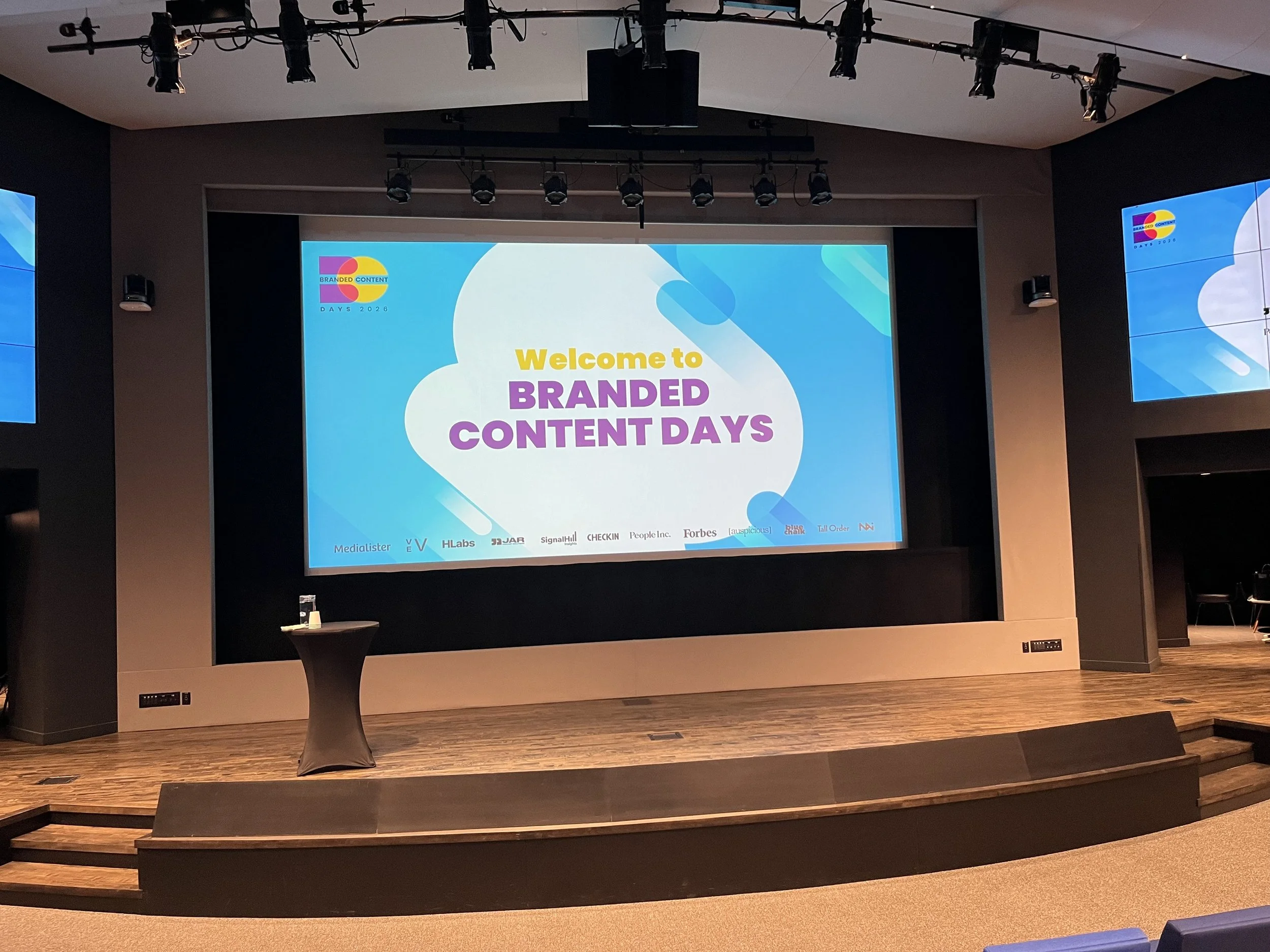
Branded Content Days 2026 | April 15 -17 | People Inc Event Center | New York
After more than two decades of building content programs, I’m still looking for new ways the industry is trying to evolve to solve its biggest challenges. I just attended Branded Content Days 2026 in New York City, a three-day meet of over 400 leaders, innovators, and premium publishers. Hosted by the Native Advertising Institute (NAI) which is an organization that provides invaluable events, awards, and resources to the global community of branded content folks, this event is the gold standard for understanding where native advertising is headed.
The presentations at the event covered everything from AI-driven strategy to the intricacies of high-end production, but a few main themes emerged to me: the challenge is no longer just capturing attention, but figuring out what to do with it once you have it.
The Psychology of Storytelling: Empowerment Over Reaction: Dr. Imran Rashid delivered what I thought was the main keynote of the day on how our digital ecosystems are shaping human biology. We are currently competing inside a biological priority filter that we didn't design. Dr. Rashid explained that too much content relies on "reaction design"—short-term dopamine and cortisol triggers that leave audiences in a state of urgency and / or outrage.
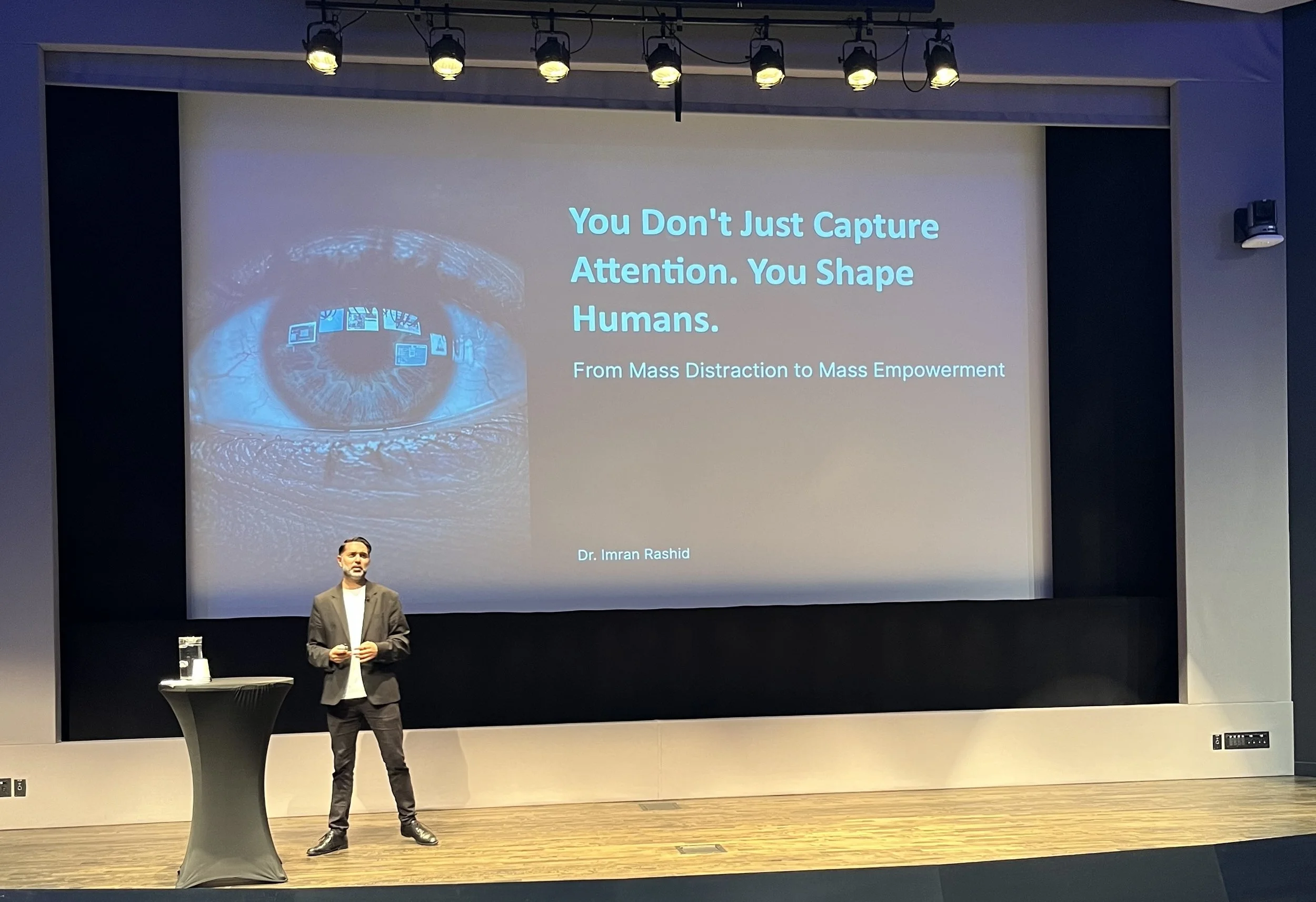
From Attention to Impact: Dr. Imran Rashid at Branded Content Days 2026
He believes the winning strategy for the future of branded content is "empowerment design." If we want to build lasting brand equity, we must pivot toward content that fosters trust, reflection, and belonging. As Dr. Rashid pointed out, attention is the gateway to thought, and we risk losing our audiences' "cognitive sovereignty" if we continue to prioritize the viral over the valuable. You can read more of his work in his new book SENSELESS: The Struggle for Cognitive Sovereignty in the Age of Algorithms here.
The Strategic Divide: O&O vs. Native Content One of the most interesting themes woven throughout the event was the evolving dynamic between Owned & Operated (O&O) content and native content placed on third-party publisher sites.
For native content (the primary focus of this event), brands lean on the established trust, credibility, and built-in audiences of publishers like The New York Times, Forbes, and Hearst. However, the landscape for native distribution is incredibly rocky right now. As Megan Gilbert from Fortune Brand Studio highlighted, referral traffic from social media platforms to publisher sites is plummeting, Facebook is down 67%, X is down 50%, and Instagram is down 27%. Publishers can no longer rely on a simple paid social strategy to drive eyeballs. Furthermore, as Tom Jenen of CleverAds noted, the post-traffic era requires native studios to sell real business outcomes, like ROI and Customer Lifetime Value, rather than just clicks.
On the flip side, creating O&O content—which lives entirely on a brand's own channels—presents a different set of challenges. Dan Rubin, who previously led marketing for O&O channels at People Inc., Studios noted that while brands control the environment, they must work incredibly hard to act as their own growth engines. Brands building O&O platforms have to essentially become their own media companies. A brilliant example of this long-term thinking came from Lowe's. Instead of transactional advertising, the Lowe's Foundation invested in a deeply authentic documentary series on the Magnolia Network to educate audiences about the trades. It wasn't about getting an immediate conversion; it was about building a long-term, culturally relevant narrative without interrupting the consumer experience.
Key Takeaways for Content Marketers Across the diverse panels and deep dives, three major operational takeaways stood out to me:
1. Scale Through No-Code Innovation: Creating bespoke, highly engaging content doesn't always require massive development budgets. Hannah Springett of HLabs and Monica Vanover from Hearst StoryStudio showcased how leveraging no-code tools allowed Hearst to scale their output from 600 stories a year to over 2,000. By building a diverse product portfolio of interactive hubs, podcast integrations, and custom maps, they tripled their product offerings while maintaining a 24-hour turnaround capability.
2. Turn Events Into Content Ecosystems: Justin Cross and Blair Thill from People Inc. reminded us that an event should never be the end point, it should be the catalyst. They detailed a strategy of creating a "social echo," which is the continuous drumbeat of content pushed across various platforms before, during, and long after the event ends. By treating events as a backdrop for content capture, brands can exponentially amplify their reach far beyond the people in the room.
3. Move From Production to Agency Partnership: Native studios need to stop functioning merely as content producers and start acting as full-funnel agency partners. They must master consultative selling, strategic planning, and rigorous measurement to deliver the "Brandformance" that clients demand in an AI-saturated market.
The tactics of digital marketing are shifting rapidly, but the need for smart, deeply strategic, and human-centric storytelling is more critical than ever. Whether you are building an O&O empire or integrating natively with top-tier publishers, success now requires earning trust, not just hacking attention. If you need help developing your content strategy, that‘s exactly what I set Content Connections to do. I’d love to chat more.
Finally, I couldn’t write this article without giving a big shout out to my good mate Dave Lennon at Fortune for winning “Studio of the Year” at the awards ceremony that concluded the event.